.png)
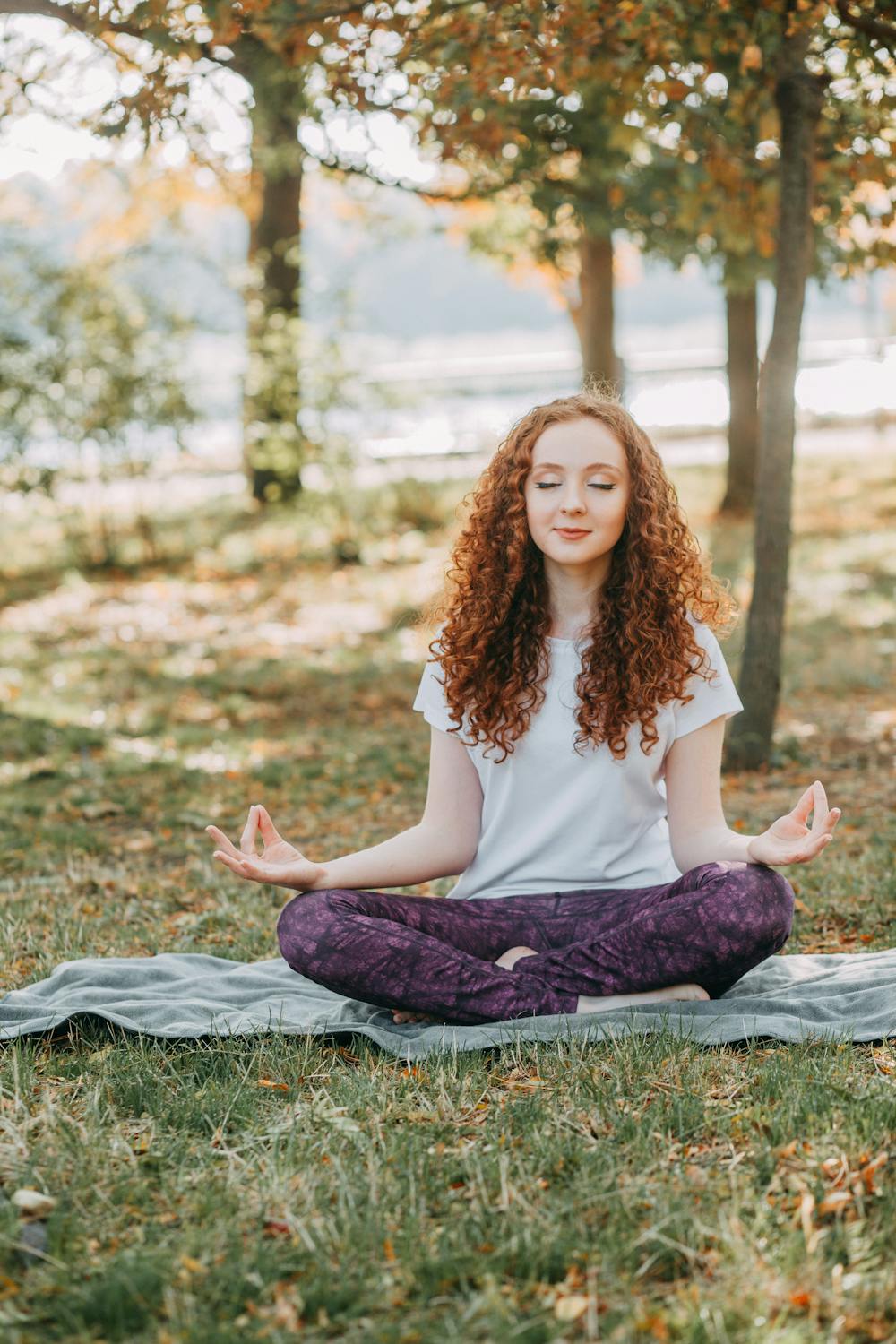
If you've dismissed mindfulness as hippie nonsense, fair enough. Between the crystals and the "good vibes only" crowd, the signal gets lost in a lot of noise.
But here's the thing: the science is actually robust. Thousands of peer-reviewed studies. Replicated findings. Actual brain changes on MRI scans.
What Mindfulness Actually Is
Mindfulness is paying attention to the present moment, on purpose, without judgment. That's it. No incense required.
It's not about emptying your mind (impossible). It's not about achieving bliss (unrealistic). It's about noticing what's happening — including the chaos in your head — without getting swept away.
The Science (Briefly)
Research shows that 8 weeks of mindfulness practice produces measurable changes in brain structure:
- Decreased grey matter in the amygdala — your brain's alarm system becomes less reactive
- Increased grey matter in the prefrontal cortex — improved decision-making and impulse control
- Changes in the hippocampus — better learning and memory
Meta-analyses confirm mindfulness reduces anxiety, depression, and stress with effect sizes comparable to medication for some conditions.
What Mindfulness Is Good For
Evidence supports mindfulness for:
- Anxiety reduction
- Depression prevention (especially preventing relapse)
- Stress management
- Emotional regulation
- Chronic pain management
- Improved focus and attention
- Better sleep
What Mindfulness Isn't
- A cure-all
- A replacement for therapy or medication
- About stopping thoughts
- About feeling calm all the time
- Religious (though it has Buddhist roots)
The Simple Practice
You don't need an app or a retreat. Here's basic mindfulness:
- Sit somewhere comfortable
- Focus on your breath — the sensation of air moving
- When your mind wanders (it will), notice that, and return to the breath
- The noticing and returning IS the practice
Start with five minutes. That's enough.
The Attention Muscle
Every time you notice your mind has wandered and bring it back, you're doing a "rep" for your attention muscle. The wandering isn't failure — it's the exercise working.
This directly helps with rumination and worry loops.
Common Objections
"I can't quiet my mind"
You're not supposed to. Mindfulness is about noticing your busy mind, not silencing it.
"I don't have time"
Five minutes. That's it. If you don't have five minutes, you need it more than most.
"It doesn't work for me"
Effects take time to build. Like exercise, you won't see results after one session.
"It makes me more anxious"
For some people, especially those with trauma, traditional mindfulness can increase distress. Trauma-sensitive approaches or grounding techniques might work better.
Beyond Sitting Meditation
Mindfulness isn't just meditation. It's bringing full attention to anything:
- Eating a meal slowly, noticing taste and texture
- Walking while feeling your feet hit the ground
- Listening fully in a conversation
- Noticing your body during exercise
The Bottom Line
Mindfulness isn't magic. It's a skill — attention training with measurable brain effects. The woo-woo packaging is optional. The science isn't.



.png)
.png)