.png)
Meditation Isn't For Everyone
You've tried meditation. Sitting still. Breathing deeply. Being present.
And it made everything worse. Your anxiety spiked. Your thoughts got louder. You felt more restless, not less.
So you figured mindfulness just isn't for you.
But the problem isn't mindfulness. It's stillness.
Why Sitting Still Doesn't Work
When you sit still, all the energy you've been running from catches up to you. The anxiety. The restlessness. The trauma stored in your body.
Your nervous system interprets stillness as danger. Like you're trapped. Like you can't escape.
So sitting meditation doesn't calm you. It activates you.
Like when walking meditation works better, sometimes you need to move to find calm.
What Mindful Movement Is
Mindful movement is being present in your body while you move. It's not about the exercise. It's about the awareness.
You're not trying to burn calories or hit a goal. You're just noticing:
- How your body feels
- How your breath moves
- What sensations arise
- What your muscles are doing
It's meditation in motion.
Walking As Meditation
You don't need special equipment. Just walk. And pay attention.
Notice:
- The feeling of your feet touching the ground
- The rhythm of your steps
- The air on your skin
- The sounds around you
- The movement of your body
When your mind wanders, bring it back to the sensation of walking. That's the practice.
Dancing Your Feelings
Put on music and move. However your body wants to move.
You're not performing. You're not doing it right. You're just letting your body express what it needs to.
Shake. Sway. Jump. Whatever comes.
This isn't exercise. It's discharge. It's letting your nervous system move through what it's holding.
Stretching With Intention
Stretching isn't just physical. It's mindful when you pay attention to what you feel.
Notice where you hold tension. Where you feel resistance. Where you feel relief.
Breathe into tight spots. Move slowly. Stay present with the sensations.
You're not just stretching muscles. You're connecting with your body.
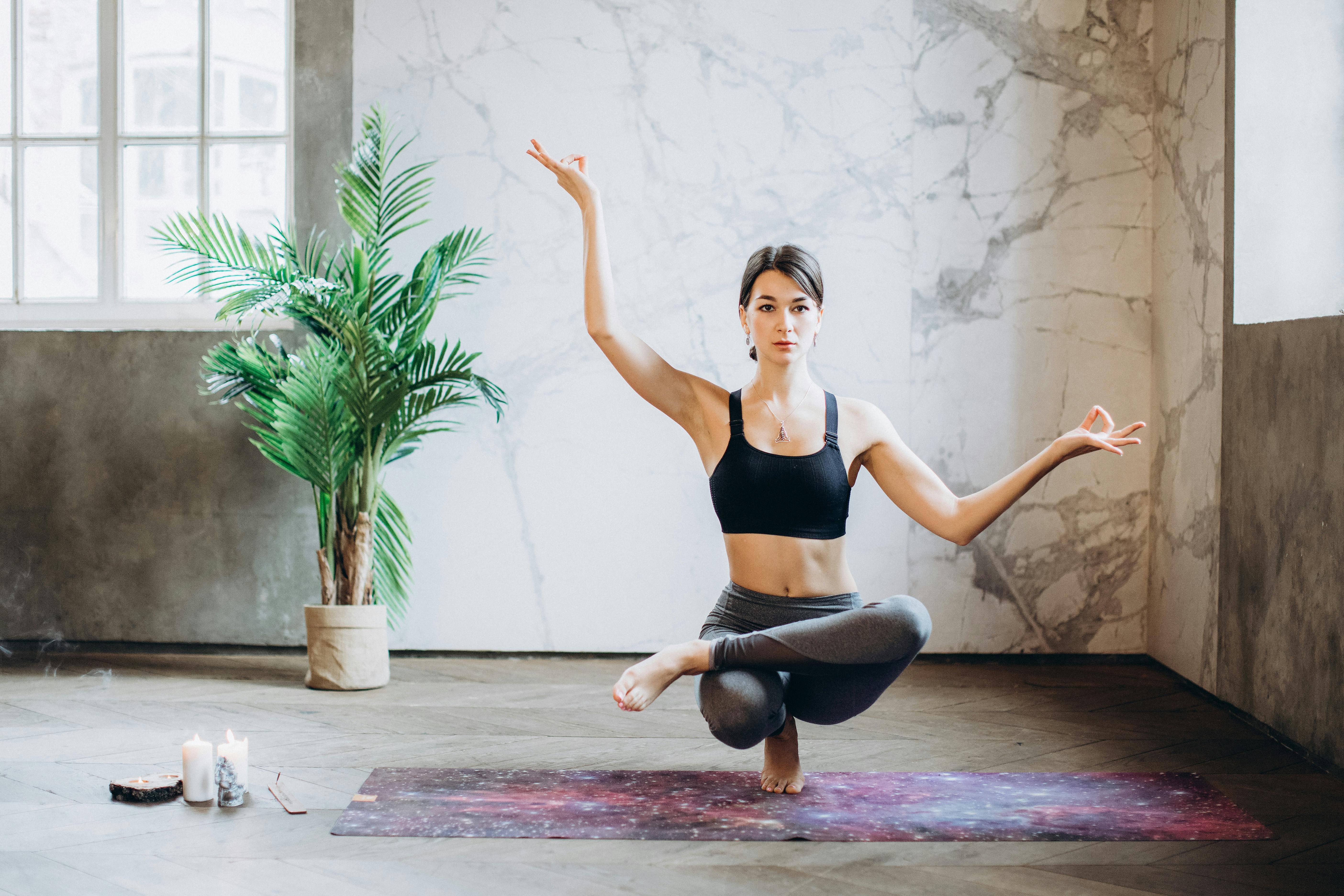
Yoga Without The Performance
Yoga can be mindful movement. But not when you're pushing for the perfect pose or comparing yourself to others.
Do the poses that feel good. Skip the ones that don't. Modify everything.
The point is presence, not perfection.
Running Or Cycling As Presence
Any repetitive movement can become mindful. Running. Cycling. Swimming.
The rhythm creates a trance state. Your mind quiets. Your body takes over.
You're not escaping. You're arriving. Into your body. Into the moment.
Why Movement Helps Anxiety
Anxiety is activation. Energy stuck in your nervous system with nowhere to go.
Movement gives it an outlet. It completes the stress cycle. It tells your body "we're doing something about the threat."
Even if there's no real threat, your body feels like it's responded. And that calms the system.
Like learning about chronic stress and the body, sometimes movement is how you discharge what's stuck.
You Don't Need To Sit Still To Be Mindful
Mindfulness is about presence. Not position.
You can be mindful while:
- Washing dishes
- Folding laundry
- Gardening
- Cooking
- Walking your dog
Any activity becomes mindful when you bring your attention to it fully.
The Bottom Line
If sitting still doesn't work for you, move. Meditation isn't one-size-fits-all.
You can be present in your body while walking, dancing, stretching, or doing literally anything.
Mindfulness isn't about stillness. It's about awareness. And you can find that anywhere.
References
- Kabat-Zinn, J. (2013). Full Catastrophe Living: Using the Wisdom of Your Body and Mind to Face Stress, Pain, and Illness (Revised ed.). Bantam.
- van der Kolk, B. (2014). The Body Keeps the Score: Brain, Mind, and Body in the Healing of Trauma. Viking.
- Emerson, D., & Hopper, E. (2011). Overcoming Trauma through Yoga: Reclaiming Your Body. North Atlantic Books.
- Levine, P. A. (2010). In an Unspoken Voice: How the Body Releases Trauma and Restores Goodness. North Atlantic Books.
- Nagoski, E., & Nagoski, A. (2019). Burnout: The Secret to Unlocking the Stress Cycle. Ballantine Books.


.png)
.png)