.png)
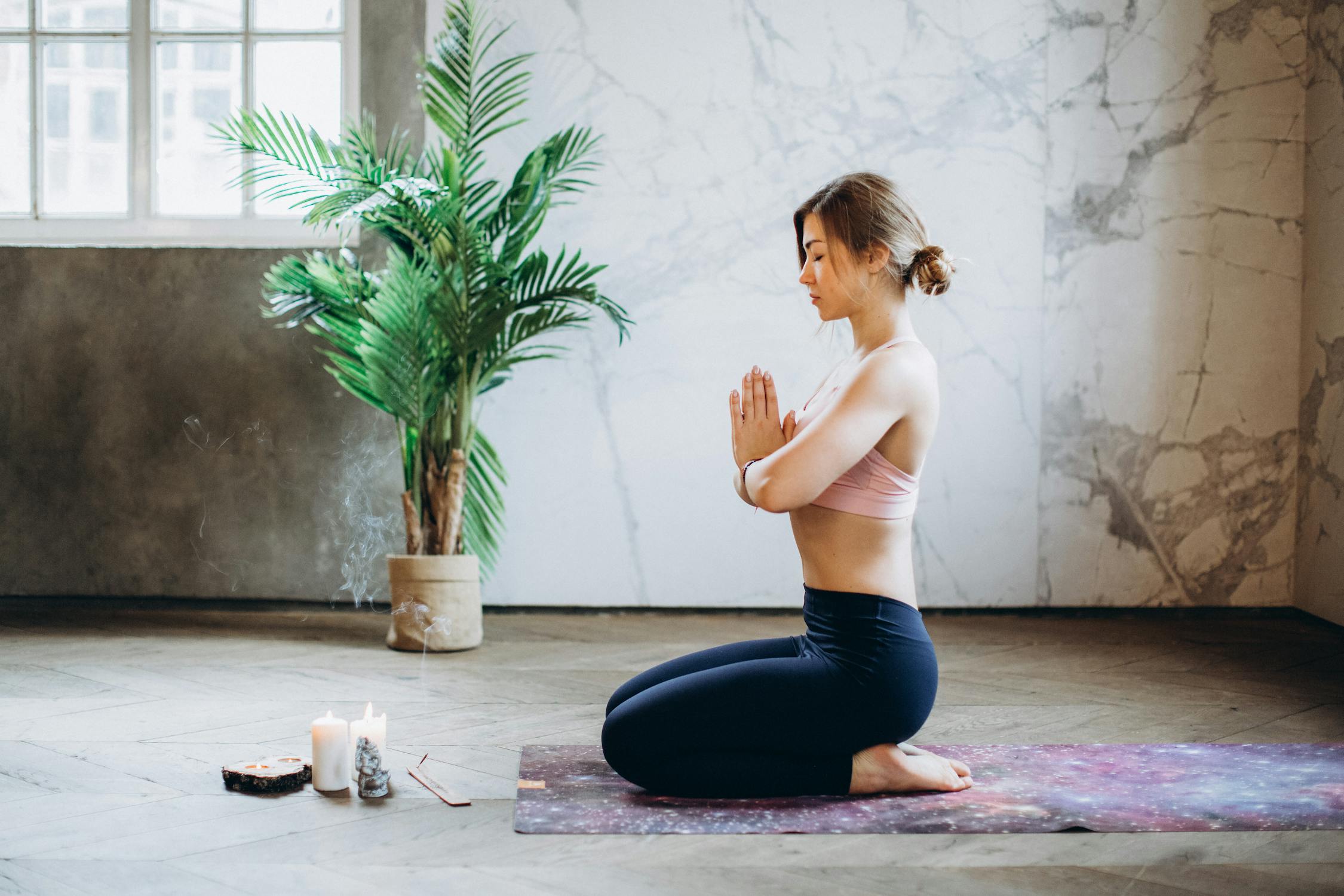
You've heard mindfulness changes lives. You've downloaded the apps. You've tried to meditate. And within thirty seconds, you're thinking about lunch, then your to-do list, then whether you left the oven on, and oh god, am I breathing weird now?
Traditional meditation isn't for everyone. That doesn't mean mindfulness isn't for you.
What Mindfulness Actually Is
Mindfulness isn't about emptying your mind or achieving blissful calm. Research by Jon Kabat-Zinn defines it as paying attention to the present moment, on purpose, without judgment.
That's it. You can do this walking, cooking, showering, or doing literally anything. Sitting in silence is just one option.
Mindfulness for Restless People
- Walking meditation: Focus on the sensation of each step. Feet lifting, moving, landing. No destination needed.
- Mindful movement: Yoga, tai chi, or even stretching with full attention on body sensations
- Single-tasking: Do one thing at a time with full attention. Just eating. Just washing dishes. Just walking.
- Body scan while moving: Notice sensations in your body during exercise or daily activities
- Anchor moments: Use everyday triggers (kettle boiling, traffic lights) as reminders to check in with the present
For a deeper dive, see our full guide on mindfulness for sceptics.
The Three-Breath Reset
Can't do ten minutes? Try three breaths. That's it.
- Breath one: Notice you're breathing
- Breath two: Feel where you feel it in your body
- Breath three: Let it go
Done. You just meditated. It doesn't have to be more complicated than that. This kind of brief practice is similar to the breathing techniques for anxiety.
Why Your Mind Wanders
Here's the secret: everyone's mind wanders during meditation. Neuroscience research shows the point isn't to prevent thoughts — it's to notice when you've drifted and gently return.
Every time you notice you've wandered, that's a rep. That noticing IS the practice. You're not failing when your mind wanders. You're succeeding when you notice it.
Making It Stick
- Start tiny: Two minutes is better than zero
- Link it to existing habits: Mindful morning coffee, mindful commute
- Forget perfection: There's no such thing as doing it wrong
- Use what works for you: Apps, timers, classes, or nothing at all
Studies show that even brief, informal mindfulness practices can reduce stress and improve emotional regulation.
Mindfulness isn't about being a certain way. It's about being aware of how you already are. You don't need to sit still for that.


.png)
.png)